USC Hosts Integrated Replication Workshop on Ecotourism, Sustainable Development, and Innovative Teaching Methodologies
Cebu City, Philippines — The University of San Carlos successfully concluded a three-day integrated Replication Workshop on Ecotourism and Sustainable Development and Innovative Teaching Methodologies to Promote Sustainable-Oriented Entrepreneurship in Tourism from May 7–9, 2024. The activity, held at the USC Talamban Campus and the Bojo River Ecotourism Site in Aloguinsan, Cebu, forms part of the capacity-building component of the Erasmus+ ECOVIP Project.
The workshop aimed to translate advanced training into practical application by equipping faculty, students, and community partners with the knowledge and tools to integrate sustainability principles into tourism education and local ecotourism practices. Led by USC experts including Ms. Brenette L. Abrenica, Prof. Demetrio S. Anticuando, Dr. Ma. Kristina O. Paler, and Engr. Fritz Nichole Abad, the program combined classroom sessions with immersive field experiences.
On Day 1 at the USC Talamban Campus, participants explored the integration of Sustainable Development Goals (SDGs) into higher education curricula, examined sample SDG-infused syllabi, and engaged in moderated discussions on practical implementation strategies. Days 2 and 3 featured hands-on application at Bojo River, where participants conducted real-world sustainability assessments using a dedicated Sustainability Check Instrument. Working in groups, they evaluated environmental, social, and economic aspects of the site, analyzed findings, and discussed actionable improvements for sustainable ecotourism management.
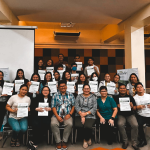
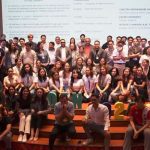
A total of 60 unique participants joined the workshops, including faculty and students from USC’s Departments of Hospitality and Tourism, Biology, Computer and Information Science, and Industrial Engineering, alongside a strong delegation of 25 members from the Bojo Aloguinsan Ecotourism Association (BAETAS) and representatives from partner organizations.
Feedback from participants was highly positive, with the majority describing the experience as “Excellent” and praising the workshop’s relevance, interactive format, and valuable combination of theory and field practice. Many highlighted the Bojo River site visit as particularly impactful, noting how the hands-on assessment deepened their understanding of sustainable tourism in action.
This successful replication workshop underscores the University of San Carlos’ strong commitment to advancing sustainable tourism education, fostering multidisciplinary collaboration, and supporting community-based ecotourism initiatives that contribute to national and regional sustainable development goals.